Bhubaneswar: Vedanta Aluminium, which has a mega refinery at Lanjigarh in Kalahandi district is extending support to nearby villages in revival of local water systems, scientific watershed planning, and community participation. Through its efforts, villages that once struggled with recurring water stress are gradually witnessing the return of dependable irrigation sources and renewed confidence in farming as a dependable livelihood.
Vedanta Aluminium’s watershed development initiative, Project Sangam has enabled access to irrigation across more than 800 acres of farmland in 41 villages of Kalahandi, positively impacting over 9,000 people. More importantly, for local farming communities, the initiative is helping restore faith in agriculture as a sustainable and reliable livelihood.
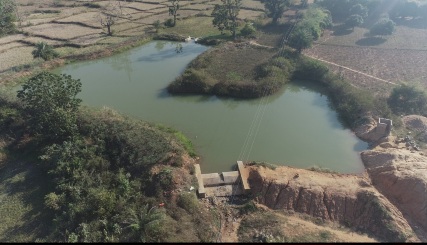
At the heart of the programme lies a simple yet powerful idea: conserving rainwater where it is naturally available.By rejuvenating traditional water bodies, strengthening local irrigation infrastructure, and scientifically managing monsoon runoff, the initiative has created more than 11 lakh cubic metres of water recharge potential. This has significantly improved groundwater availability in several pockets of the district, ensuring that water remains accessible well beyond the monsoon season.
The impact is increasingly visible across agricultural fields.Land that once remained dry after a single crop cycle is now supporting extended cultivation and multiple cropping seasons. For many, the change has been transformative.
“Now we have assured irrigation for our fields. Water remains available for a much longer period, crop yields have improved, and families are earning better incomes, ” said Jugeswar Dalpati, a farmer living in Lanjigarh.
Beyond agriculture, the initiative is also contributing to broader ecological and social improvements. Enhanced groundwater recharge is supporting wider drinking water availability, while improved soil moisture is aiding land restoration and greener landscapes. Vedanta Aluminium now aims to expand irrigation coverage to more than 3,500 acres, while further strengthening year-round access to water for farming and domestic use.